

Introduction:
In a world where water quality is essential for health and environmental sustainability, choosing the right filtration systems is important. Whether you want to improve water quality at home or in a business, selecting the right water filtration solution requires careful consideration of different factors. This guide explains the key points to consider when choosing filtration systems that meet your needs and provide clean and safe water.
Identify Your Water Source and Contaminants
Identify Your Water Source and Contaminants
Understanding your water source is the first step in selecting an effective water filtration system. Different sources may contain contaminants such as sediments, bacteria, chemicals, or heavy metals. Conducting a water quality test can help identify the specific contaminants present in your water and allow you to select a filtration system suited to those concerns.
Know Your Filtration Options:
Know Your Filtration Options:
Filtration systems are available in different types, with each designed to address specific contaminants. Common options include:
Activated Carbon Filters: Effective in reducing organic compounds and chlorine.
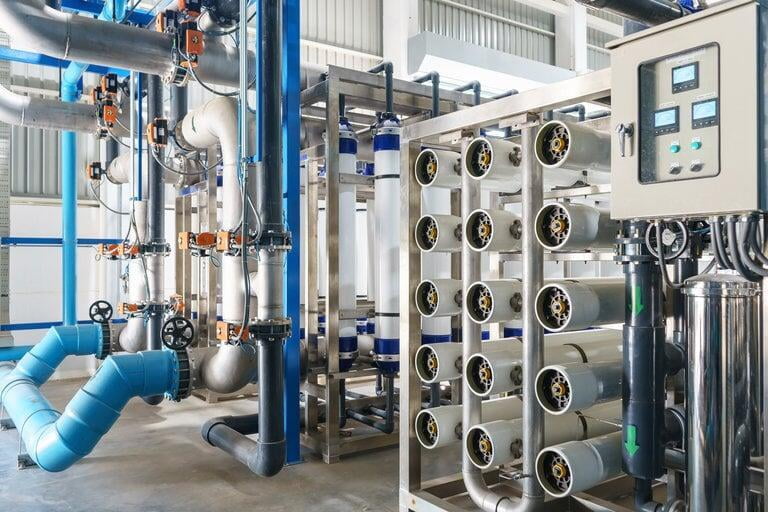
Reverse Osmosis Systems: Ideal for removing a wide range of contaminants, including heavy metals and microbes.
UV Water Purifiers: Help destroy bacteria, viruses, and other microorganisms.
Sediment Filters: Remove particles such as sand and silt.
Understanding the strengths and limitations of each option can help you select the most suitable system for your water treatment and water quality requirements. Various filtration options for different capacities and types of water treatment can be seen, explored, and demonstrated during the 3-day event. Filtration manufacturers will provide in-depth information and live demonstrations of their products and technologies.
Factor in Installation and Operating Costs:
Factor in Installation and Operating Costs:
When selecting filtration systems, consider installation, operation, and long-term maintenance costs. Look for systems certified by reputable organizations such as NSF International or the Water Quality Association. Certification helps ensure that the system meets specific quality and performance standards.
You should also check compliance with local regulations and health standards to ensure that the selected water treatment system is suitable for your region.
Read User Reviews and Seek Recommendations:
Read User Reviews and Seek Recommendations:
Real-world experiences can provide valuable insights into the performance of different water purifiers and filtration systems. Read user reviews, seek recommendations from friends or online communities, and consider the reputation of the manufacturer. Learning from other users can help you make a more informed decision.

Consider Flow Rate and Capacity:
Consider Flow Rate and Capacity:
The flow rate and capacity of filtration systems are important factors, particularly for larger households and commercial settings. Ensure that the selected system can provide a sufficient amount of water while maintaining its effectiveness over time.
Consider factors such as the number of people using the water and the appliances that will be connected to the system when selecting a suitable water filtration solution.
Evaluate Maintenance Requirements:
Evaluate Maintenance Requirements:
Regular maintenance is essential for maintaining the performance and longevity of your water filtration system. Some systems require more frequent filter replacements or cleaning than others.
Evaluate maintenance requirements and associated costs to ensure that your selected water treatment system remains efficient over the long term.
Check Certification and Compliance:
Check Certification and Compliance:
Look for filtration systems that are certified by reputable organizations such as NSF International or the Water Quality Association. Certification ensures that the system meets specific quality and performance standards.
Additionally, check compliance with local regulations and health standards to ensure that the water purifiers, UV water purifiers, or other filtration solutions you choose are suitable for your region.
Conclusion:
Conclusion:
Choosing the best filtration system involves a thoughtful evaluation of your water quality needs, the available options, and long-term considerations. By identifying contaminants, understanding filtration technologies, and considering factors like flow rate and maintenance, you can confidently select a system that ensures clean and safe water for you, your family, or your business. Prioritize water quality, and make a positive impact on both your health and the environment. Be a part of to get a wide experience to showcase your unique product and technology to more than 9000+ focused audience.