
As we step into 2025, the global focus on sustainable development and environmental protection continues to drive innovation in wastewater treatment technologies. Industries and municipalities are adopting advanced, efficient, and eco-friendly wastewater treatment solutions to address the growing water crisis. Here are some of the key wastewater treatment technologies expected to make a significant impact in 2025.
1. Advanced Membrane Technologies
1. Advanced Membrane Technologies
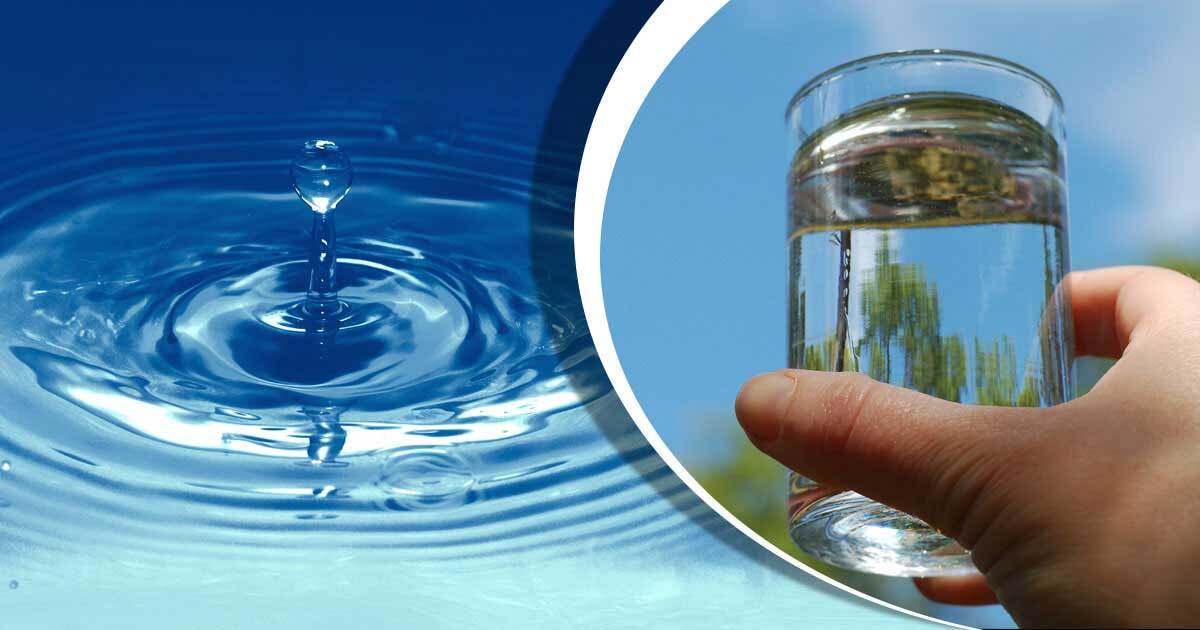
Membrane filtration systems, including reverse osmosis (RO), ultrafiltration (UF), and nanofiltration (NF), continue to advance as important wastewater treatment technologies. More durable and fouling-resistant membranes made from nanomaterials and hybrid polymers are improving treatment efficiency while reducing maintenance costs.
These membrane technologies are increasingly used in industries such as pharmaceuticals, textiles, and food processing for effective wastewater treatment and water recovery.
2. Artificial Intelligence (AI) and Machine Learning (ML)
2. Artificial Intelligence (AI) and Machine Learning (ML)
Artificial Intelligence (AI) and Machine Learning (ML) are transforming wastewater treatment through predictive analytics, real-time monitoring, and process optimization. Smart sensors integrated with AI algorithms can detect contaminants, adjust treatment processes, and predict equipment maintenance requirements.
These capabilities can help wastewater treatment plants reduce downtime, improve operational efficiency, and manage treatment processes more effectively.
3. Electrocoagulation Technology
3. Electrocoagulation Technology
Electrocoagulation is gaining attention as an effective wastewater treatment technology for removing heavy metals, oil, suspended particles, and other contaminants.
The process uses an electric current to promote coagulation and separation of pollutants, offering an alternative to conventional chemical treatment methods. Its scalability and versatility make electrocoagulation suitable for both industrial and municipal wastewater treatment applications.
4. Microbial Fuel Cells (MFCs)
4. Microbial Fuel Cells (MFCs)
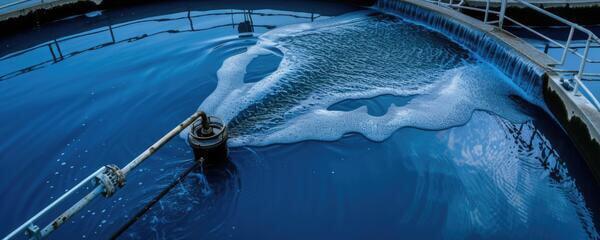
Microbial Fuel Cells (MFCs) offer an innovative approach to wastewater treatment by generating electricity while degrading organic waste. These systems use microorganisms to break down pollutants while producing renewable energy.
This dual benefit makes MFCs an emerging technology for sustainable wastewater treatment and resource recovery.
5. Decentralized Wastewater Treatment Systems
5. Decentralized Wastewater Treatment Systems
Decentralized wastewater treatment systems, including containerized and modular treatment plants, are becoming increasingly popular because of their flexibility and cost-effectiveness.
These systems can be deployed in remote locations or directly at industrial facilities, reducing the transportation and energy requirements associated with traditional centralized wastewater treatment systems.
6. Photocatalytic Treatment Methods
6. Photocatalytic Treatment Methods
Using sunlight and photocatalysts like titanium dioxide (TiO2), this method breaks down organic pollutants and pathogens in wastewater. Recent advancements include the development of more efficient catalysts and scalable systems, making it a promising solution for areas with abundant sunlight.
7. Zero Liquid Discharge (ZLD) Systems
7. Zero Liquid Discharge (ZLD) Systems
ZLD systems are becoming a regulatory requirement in several industries. These systems recover and recycle almost all water from wastewater streams, leaving behind minimal solid residues. Innovations in ZLD technologies focus on reducing energy consumption and enhancing recovery rates.
8. Bioaugmentation and Biostimulation
8. Bioaugmentation and Biostimulation
These biotechnological approaches involve adding specialized microorganisms or nutrients to wastewater to enhance the degradation of pollutants. Emerging applications in industrial sectors such as tanneries and chemical manufacturing showcase the potential of these methods to meet stringent discharge standards.
9. Forward Osmosis (FO)
9. Forward Osmosis (FO)
FO is gaining attention as an energy-efficient alternative to traditional desalination and wastewater treatment processes. It leverages natural osmotic pressure differences to purify water, significantly reducing energy costs while maintaining high performance.
10. Circular Water Solutions
10. Circular Water Solutions
The circular economy concept is influencing wastewater treatment with a focus on resource recovery. Technologies that extract valuable materials like phosphorus, nitrogen, and bioplastics from wastewater are becoming economically viable, contributing to both sustainability and profitability.
The Road Ahead
The Road Ahead
As environmental regulations tighten and water scarcity intensifies, the adoption of these cutting-edge wastewater treatment technologies is imperative. Collaborations between technology providers, industries, and governments will play a crucial role in scaling these innovations and making them accessible globally.
Investing in these emerging solutions not only ensures compliance with environmental standards but also provides a competitive edge in the marketplace. 2025 promises to be a transformative year for wastewater treatment, paving the way for a more sustainable and water-secure future.